

safety
Agriculture and Farm Safety Training in Ireland
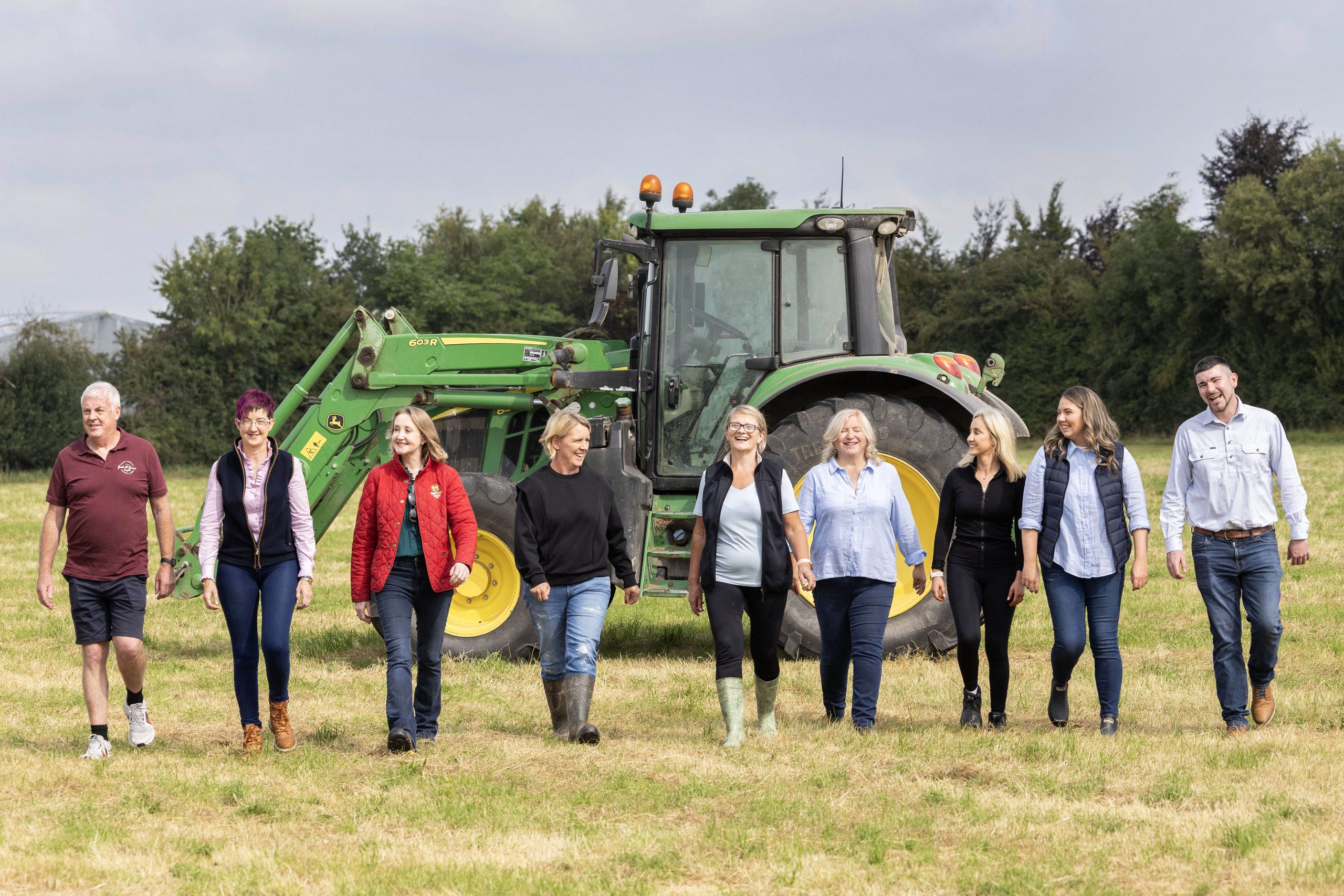
A critical guide to farm safety training in Ireland. Understand the risks, legal requirements, and training solutions that save lives in agriculture.
Farming is the most dangerous occupation in Ireland. This is not an exaggeration or a statistic taken out of context. Year after year, agriculture accounts for the highest number of workplace fatalities of any sector in the country, despite employing a relatively small proportion of the total workforce.
The people who die on Irish farms are not strangers. They are fathers, mothers, sons, daughters, and neighbours. Many of them are experienced farmers who have performed the same tasks thousands of times before. The tragedy is that the vast majority of these deaths are preventable.
For every farmer, farm worker, and family member who sets foot on agricultural land, understanding the risks and investing in proper training is not just a matter of compliance. It is a matter of survival.
How Dangerous Is Farming in Ireland?
The Health and Safety Authority (HSA) publishes farm fatality data annually, and the numbers are consistently devastating. Agriculture typically accounts for 40 to 50% of all workplace fatalities in Ireland in any given year, while employing only around 5 to 6% of the workforce.
In recent years, the annual toll has fluctuated between approximately 15 and 25 farm deaths per year. Behind each number is a life lost, a family shattered, and a community in mourning.
The leading causes of fatal and serious injuries on Irish farms include:
- Tractor and machinery incidents: The single biggest killer, including runovers, crush injuries, entanglement, and rollovers. Many victims are experienced operators who made a momentary error.
- Livestock handling: Cattle, horses, and other large animals cause severe crush injuries, kicks, trampling, and goring incidents. Bull attacks are a recurring cause of fatalities.
- Falls from height: Falls from ladders, roofs, haystacks, trailers, and other elevated positions. Farm buildings are often in poor repair, with fragile roofs posing particular danger.
- Drowning: In slurry pits, rivers, ponds, and water tanks. Slurry gas (hydrogen sulphide) can cause rapid unconsciousness and death, sometimes killing multiple victims who attempt to rescue the first.
- Falling objects: Trees, bales, walls, and building materials that collapse or fall onto workers.
- Manual handling injuries: While less likely to be fatal, manual handling injuries are extremely common on farms, causing chronic back pain, musculoskeletal disorders, and long-term disability.
The non-fatal injury toll is equally concerning. Thousands of farmers and farm workers suffer injuries every year that result in pain, disability, lost working time, and significant medical costs. Many of these injuries are to the back, shoulders, and joints from the relentless physical demands of farming.
Why Is Farming So Dangerous?
Several factors combine to make agriculture uniquely hazardous:
Physical environment. Farms are not controlled environments like factories or offices. Workers operate on uneven terrain, in all weather conditions, around water hazards, in confined spaces, and with limited infrastructure. The working environment changes constantly with seasons, weather, and farming operations.
Machinery. Modern farming relies on powerful, heavy machinery including tractors, power take-off (PTO) equipment, chainsaws, grain dryers, and animal handling crushes. This equipment can cause catastrophic injuries in an instant if used incorrectly or without proper guarding.
Animals. Livestock are unpredictable. A normally docile cow protecting a calf can become aggressive without warning. Bulls are inherently dangerous. Even routine tasks like moving cattle through a yard carry genuine risk of crush injuries.
Working alone. Many farmers work alone for much or all of the day. If an incident occurs, there may be no one nearby to call for help, administer first aid, or raise the alarm. Delays in emergency response on rural farms can be the difference between life and death.
Culture. Farming culture has traditionally valued self-reliance, toughness, and getting the job done regardless of the conditions. This culture, while admirable in many ways, can discourage farmers from seeking help, using safety equipment, or attending training. Changing this mindset is one of the biggest challenges in farm safety.
Family involvement. Farms are family workplaces. Children, elderly family members, and visitors are frequently present, creating additional risks. Child fatalities on farms remain a heartbreaking reality in Ireland.
Fatigue and time pressure. Farming involves long hours, physically demanding work, and seasonal time pressures, particularly during calving, silage, and harvest. Fatigue impairs judgment and reaction time, increasing the risk of a fatal mistake.
What Does Irish Law Require?
Farmers and agricultural employers must comply with the same workplace safety legislation as every other sector:
Safety, Health and Welfare at Work Act 2005: The Act applies to every employer and self-employed person, including farmers. Duties include identifying hazards, assessing risks, implementing controls, and providing training.
General Application Regulations 2007: These regulations include specific requirements relevant to farming, including manual handling (Chapter 4), workplace design and maintenance, PPE provision, and work equipment safety.
Safety, Health and Welfare at Work (Children and Young Persons) Regulations 2006: These set specific restrictions on the work that can be performed by children and young persons on farms, including age-based prohibitions on operating machinery and working with animals.
Every farm with employees must have a written Safety Statement based on a risk assessment. The HSA provides a Farm Safety Code of Practice that offers practical guidance tailored to the agricultural sector.
Self-employed farmers with no employees are still required to assess risks to themselves and to anyone affected by their work, including family members, visitors, and contractors.
What Training Do Farmers and Farm Workers Need?
Effective farm safety training addresses the specific hazards of agricultural work:
Tractor and machinery safety. Covering safe operation, daily checks, PTO guarding, safe hitching and unhitching, rollover protection, and what to do if machinery becomes stuck or unstable.
Livestock handling. Safe techniques for moving, penning, loading, and treating animals. Understanding animal behaviour, particularly the dangers of bulls, newly calved cows, and unfamiliar animals. Proper use of handling facilities including crushes, races, and pens.
Manual handling. Farming involves some of the most physically demanding manual handling of any occupation. Lifting feed bags, carrying equipment, handling bales, moving fencing materials, and assisting livestock all place enormous strain on the body.
Certified manual handling training is essential for every farm worker. Irish Manual Handling delivers accredited manual handling courses that farm workers can complete online, covering the specific lifting, carrying, and handling challenges of agricultural work.
Working at heights. Safe use of ladders, safe access to farm buildings, awareness of fragile roof materials, and fall prevention measures for tasks such as repairing buildings, stacking bales, and working on silos.
Chemical safety. Handling pesticides, herbicides, veterinary medicines, fertilisers, and fuel. Understanding safety data sheets, proper storage, PPE requirements, and emergency procedures for spills and exposure.
Slurry safety. One of the most lethal hazards on Irish farms. Training covers the dangers of hydrogen sulphide gas, safe agitation procedures, ventilation requirements, and the critical rule that no one should ever enter a slurry pit to rescue someone without proper equipment and training.
Chainsaw safety. For farmers who fell trees, cut timber, or clear hedgerows. Chainsaw work causes severe lacerations and amputations every year.
Child safety on farms. Training for farming families on keeping children safe, including age-appropriate supervision guidelines, restricted access to machinery and animals, and safe play areas away from working zones.
How Can Farmers Access Training?
Farming presents unique training delivery challenges. Farmers work long, unpredictable hours. They are often in remote locations far from training centres. Taking a full day away from the farm is difficult, particularly during busy seasons. And many farmers resist traditional classroom settings.
Online safety training addresses all of these barriers:
- Courses can be completed at home, in the evening, or during quieter periods
- No travel to training centres
- Short, focused modules that do not require a full day commitment
- Certification generated instantly and stored digitally
- Content accessible from a laptop, tablet, or smartphone
For farm safety training alongside other essential workplace topics, online health and safety training Ireland from Ireland Safety Training provides accredited courses that farming families can access from the farmhouse kitchen table.
Flexible safety courses online from Online Safety Courses offer affordable programmes covering manual handling, fire safety, chemical safety, and other topics directly relevant to agricultural operations.
What Role Does the HSA Play in Farm Safety?
The HSA has made farm safety a strategic priority, recognising that agriculture accounts for a disproportionate share of workplace deaths. Key HSA farm safety initiatives include:
Farm inspection campaigns. The HSA conducts targeted farm inspections focusing on high-risk areas including machinery safety, livestock handling, slurry management, and child safety. Inspectors visit farms without notice and can issue improvement or prohibition notices.
Farm Safety Partnership. The HSA works with farming organisations including the IFA, ICMSA, Macra na Feirme, and Teagasc to promote safety awareness and provide practical guidance.
Farm Safety Code of Practice. A practical document that helps farmers assess risks and implement controls specific to agricultural operations. Following the Code of Practice is one of the most effective ways for farmers to demonstrate compliance.
Safety campaigns. Regular awareness campaigns targeting specific hazards such as tractor safety, child safety, slurry safety, and livestock handling. These campaigns use media, events, and community engagement to reach farming communities.
The HSA's message is consistent: most farm deaths are preventable. The combination of risk assessment, training, proper equipment, and a willingness to change unsafe habits can dramatically reduce the toll.
What About Farm Workers from the UK?
Farms in Northern Ireland operate under UK health and safety legislation, enforced by the Health and Safety Executive for Northern Ireland (HSENI). The risks and training needs are identical, and many farming families operate across the border.
UK farm workers and agricultural employers can access manual handling training UK from British Manual Handling, providing CPD and RoSPA-accredited courses that meet UK regulatory requirements.
Providers based at 20 Harcourt Street, Dublin 2 serve farming communities across the Republic of Ireland, Northern Ireland, and Great Britain, understanding the unique challenges of agricultural operations in all three jurisdictions.
Changing the Culture
Ultimately, the biggest challenge in farm safety is not the law, the cost, or the availability of training. It is culture. Generations of farmers have done things a certain way, and changing deeply ingrained habits is difficult even when lives are at stake.
But culture is changing. Younger farmers are more open to training. Farming organisations are championing safety. The HSA is combining enforcement with education. And the painful losses of friends, neighbours, and family members are forcing conversations that should have happened years ago.
Every farmer who completes a safety course, installs a PTO guard, builds a proper livestock handling facility, or keeps a child away from a working yard is contributing to a cultural shift that will save lives.
Every Life Matters
The statistics are numbers on a page until they become personal. Until it is your neighbour crushed under a tractor. Until it is your friend killed by a bull. Until it is a child from the next farm who did not come home.
Farm safety training will not eliminate every risk. Farming will always involve hazard. But training, combined with proper risk assessment, appropriate equipment, and a willingness to put safety ahead of tradition, can prevent the vast majority of the tragedies that devastate Irish farming communities every year.
The investment is small. The stakes are as high as they get. Train today. It could save a life tomorrow.
Written by a certified health and safety professional with over 10 years of experience in workplace training across Ireland and the UK.
Не найдено ни одного тега, содержащего «safety»