

fire-watch-guards
How Fire Watch Guards Help Prevent Fire Safety Violations During Construction Work
Construction sites are among the highest risk environments for fire incidents. Open flames, hot work activities, temporary electrical systems, flammable materials, and incomplete fire protection infrastructure all combine to create conditions where a small mistake can quickly escalate into a serious violation or disaster. Fire safety violations during construction not only result in costly fines and project delays but also put lives, property, and reputations at risk.
Fire watch services play a critical role in reducing these risks. By maintaining constant surveillance, enforcing fire codes, and responding immediately to hazards, fire watch guards help construction projects remain compliant with local and national fire safety regulations. Understanding how fire watch guards function and why they are essential during construction work provides clarity on their growing importance across the industry.
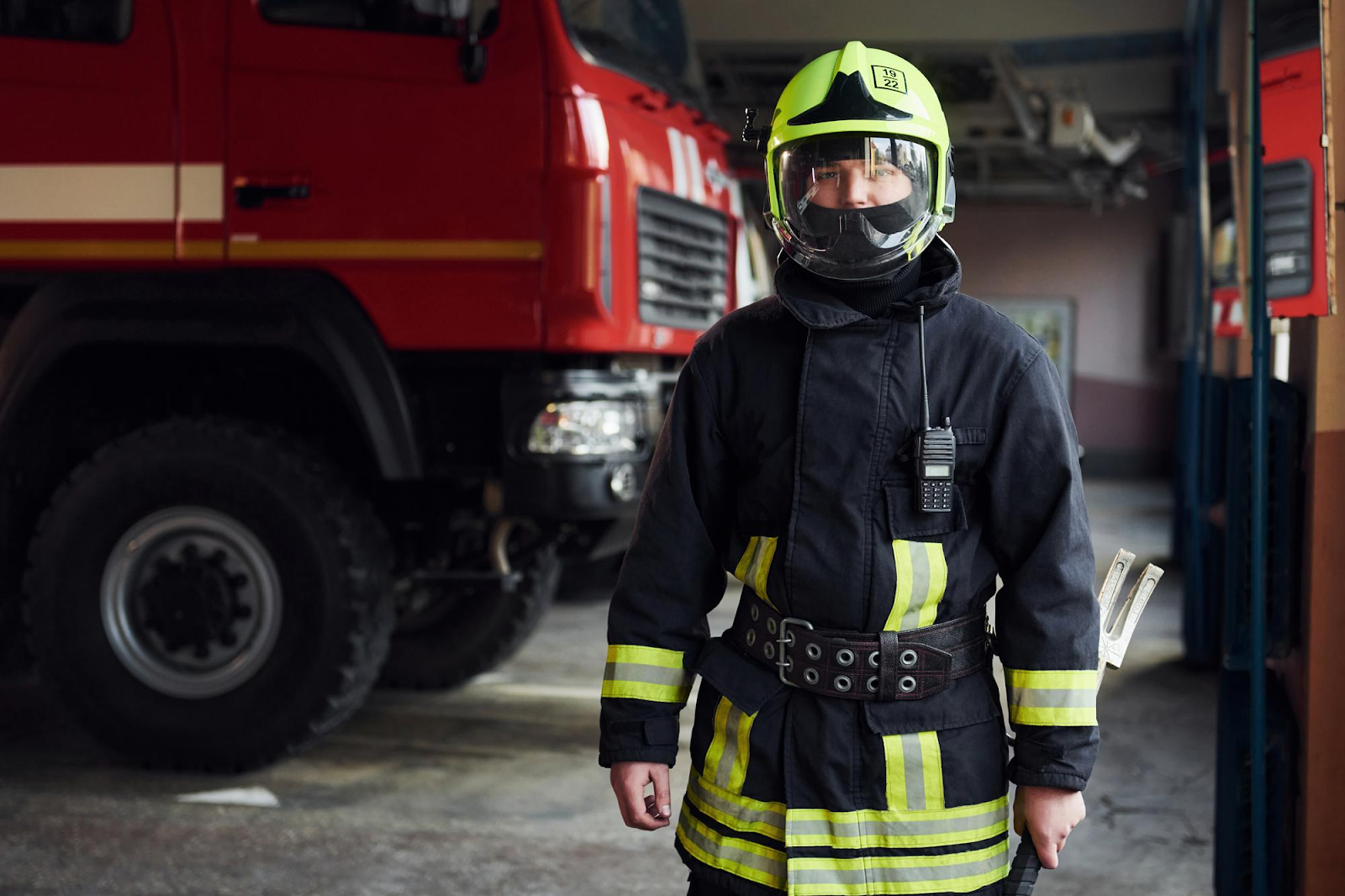
Understanding Fire Safety Challenges on Construction Sites
Construction sites face unique fire hazards that are rarely present in completed buildings. Temporary wiring, welding operations, cutting torches, and portable heating equipment significantly increase the likelihood of ignition. In many cases, permanent fire suppression systems such as sprinklers or alarms are not yet installed or are partially operational, leaving gaps in protection.
Fire safety violations often occur when combustible materials are stored improperly, exits are blocked, or hot work permits are ignored. Even experienced crews can overlook small details when deadlines are tight and multiple trades are working simultaneously. These oversights can result in citations from fire marshals, work stoppages, or insurance complications.
Fire watch guards act as a dedicated layer of protection focused solely on identifying and addressing these vulnerabilities. Their presence ensures that fire risks are continuously monitored rather than addressed only during periodic inspections.
What Fire Watch Guards Do During Construction Projects
Fire watch guards are trained professionals assigned to monitor construction sites for fire hazards and code violations. Their responsibilities extend beyond simple observation. These guards actively patrol designated areas, check equipment, and verify that fire prevention measures are being followed throughout the workday and after hot work activities conclude.
Key duties include monitoring welding and cutting operations, ensuring flammable materials are stored correctly, and confirming that fire extinguishers remain accessible and functional. Guards also maintain detailed logs documenting patrols, incidents, and corrective actions, which can be crucial during compliance audits or insurance reviews.
By maintaining constant awareness, fire watch guards reduce the likelihood of unnoticed hazards developing into violations or emergencies.
Preventing Fire Code Violations Through Continuous Monitoring
Fire codes require active supervision when standard fire protection systems are unavailable or impaired. Continuous monitoring is one of the most effective ways to prevent violations related to unattended hot work, disabled alarms, or obstructed exits.
Fire watch guards conduct routine patrols at scheduled intervals, ensuring no area is left unchecked. This approach helps identify problems early, such as smoldering debris, overheating equipment, or unsafe storage practices. Addressing these issues immediately prevents them from becoming reportable violations.
In jurisdictions with strict enforcement, documented fire watch activity demonstrates due diligence. Inspectors often view the presence of trained guards as a proactive commitment to compliance rather than reactive damage control.
Supporting Compliance With Local and National Fire Regulations
Construction projects must comply with regulations from organizations such as local fire departments, OSHA, and the National Fire Protection Association. These standards frequently mandate fire watch coverage during specific activities or when fire systems are offline.
Fire watch guards are trained to understand these requirements and apply them in real time. Their familiarity with fire codes allows them to recognize noncompliant conditions that may not be obvious to construction personnel focused on their trades.
By aligning site practices with regulatory expectations, fire watch guards help prevent citations, fines, and project shutdowns that can arise from noncompliance.
Reducing Hot Work Risks and Related Violations
Hot work activities such as welding, grinding, and torch cutting are among the leading causes of construction-related fires. Fire codes often require a fire watch to be present during and after these operations to monitor for sparks or heat transfer that could ignite nearby materials.
Fire Watch Guards remain on duty for the required cooling period after hot work ends. This extended monitoring is critical because many fires start minutes or even hours after work is completed. Without a fire watch, these delayed ignitions may go unnoticed until significant damage occurs.
By enforcing hot work safety protocols and maintaining vigilance, fire watch guards significantly reduce violations associated with improper hot work practices.
Protecting Workers and Emergency Access Routes
Blocked exits, cluttered pathways, and inaccessible fire extinguishers are common violations on busy construction sites. These issues not only violate codes but also endanger workers during emergencies.
Fire watch guards regularly inspect egress routes and safety equipment, ensuring clear access at all times. When obstructions are identified, guards report or address them immediately, preventing repeat violations during inspections.
This consistent oversight contributes to a safer working environment while reinforcing a culture of accountability and awareness among site personnel.
Enhancing Documentation and Inspection Readiness
Fire safety documentation is often required during inspections or after incidents. Fire watch guards maintain detailed records of patrol times, observed hazards, corrective actions, and communications with site supervisors.
These logs provide verifiable proof that fire safety measures were actively enforced. In the event of an inspection, having comprehensive records can make the difference between passing and facing penalties.
Proper documentation also supports insurance compliance and can reduce liability by demonstrating that reasonable precautions were taken to prevent fire incidents.
The Value of Professional Fire Watch Guards
Professional fire watch services offer trained personnel who understand both fire behavior and construction site dynamics. Unlike assigning fire watch duties to untrained workers, professional guards focus exclusively on fire safety without competing responsibilities.
Using qualified Fire Watch Guards helps ensure consistent enforcement of safety standards and effective communication with inspectors and emergency responders. When integrated into a construction project, this service adds a layer of expertise that supports compliance and risk reduction throughout all phases of work.
Minimizing Project Delays and Financial Losses
Fire safety violations often result in stop work orders, reinspection fees, and corrective costs. These disruptions can delay project timelines and strain budgets.
Fire watch guards help identify and resolve issues before they escalate into violations. Their proactive presence reduces the likelihood of incidents that trigger investigations or shutdowns, helping projects stay on schedule and within budget.
From a financial perspective, the cost of fire watch services is often significantly lower than the expenses associated with fines, repairs, or litigation resulting from fire-related incidents.
Conclusion
Fire safety during construction is a complex challenge influenced by evolving site conditions, regulatory requirements, and human factors. Fire watch guards play a vital role in preventing fire safety violations by providing continuous monitoring, enforcing compliance, and responding swiftly to hazards.
Their presence supports regulatory adherence, protects workers, and minimizes financial and operational risks. As construction projects grow in scale and complexity, the role of fire watch guards becomes increasingly essential in maintaining safe, compliant, and efficient worksites.
FAQs
What situations require fire watch guards on construction sites?
Fire watch guards are typically required during hot work activities, when fire alarms or sprinkler systems are disabled, or when mandated by local fire authorities.
Can construction workers perform fire watch duties?
Some regulations allow trained workers to act as fire watch, but professional guards are often preferred due to their specialized training and sole focus on fire safety.
How do fire watch guards help during inspections?
They provide documentation, demonstrate compliance, and address issues immediately, improving inspection outcomes.
Are fire watch services required by law?
Requirements vary by jurisdiction, but many fire codes mandate fire watch coverage under specific conditions.
Do fire watch guards stay on site after work hours?
Yes, guards may remain on site during off hours, especially after hot work, to monitor for delayed fire risks and ensure continued compliance.
Не найдено ни одного тега, содержащего «fire-watch-guards»