

Wall Mounted Battery Installation Mistakes and How to Avoid Them
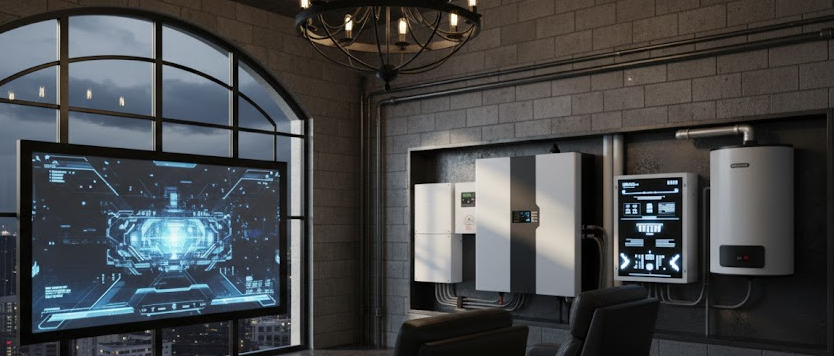
Wall mounted batteries are becoming an essential part of modern home energy systems, especially for households using solar power or seeking reliable backup energy. While these systems offer long-term savings and improved energy efficiency, their performance depends heavily on proper installation. Even a high-quality battery can underperform or become unsafe if installed incorrectly.
Understanding common wall mounted battery installation mistakes and how to avoid them can save time, money, and frustration. This guide highlights the most frequent errors homeowners and installers make, along with practical steps to ensure a safe and efficient setup.
Choosing the Wrong Installation Location
One of the most common mistakes during wall mounted battery installation is selecting an unsuitable location. Batteries require a stable environment with appropriate temperature control, ventilation, and wall strength.
Installing a battery in an area exposed to extreme heat, moisture, or direct sunlight can reduce efficiency and shorten lifespan. Poor ventilation may also cause overheating. To avoid this, choose a cool, dry, and well-ventilated space such as a garage or utility room, and always follow manufacturer-recommended placement guidelines.
Ignoring Wall Load and Structural Support
Wall mounted batteries can be heavy, especially higher-capacity models. Failing to assess wall strength before installation can lead to serious safety risks.
Mounting a battery on a weak or unsupported wall may cause structural damage or even lead to the unit falling. To avoid this mistake, ensure the wall is capable of supporting the battery’s weight and use proper mounting hardware. In some cases, reinforcing the wall or using specialized brackets may be necessary.
Incorrect Electrical Wiring and Connections
Improper wiring is a critical installation mistake that can affect both performance and safety. Incorrect connections may result in energy loss, system errors, or electrical hazards.
This often happens when installations are rushed or performed without professional expertise. To avoid wiring issues, ensure that all electrical connections are completed by a qualified electrician who understands battery systems, inverters, and local electrical codes.
Overlooking Compatibility With Existing Systems
Not all wall mounted batteries are compatible with every inverter or solar setup. Installing a battery without checking system compatibility can lead to inefficient operation or complete system failure.
Before installation, verify that the battery works seamlessly with your inverter, solar panels, and energy management system. Compatibility checks help ensure smooth communication between components and maximize overall system efficiency.
Skipping Proper System Sizing
Incorrect battery sizing is another common installation-related mistake. A battery that is too small may not meet energy demands, while an oversized system can be unnecessarily expensive.
Proper sizing requires evaluating daily energy consumption, peak usage times, and backup power needs. Avoid guessing or choosing based on price alone. A correctly sized battery ensures reliable performance and better return on investment.
Poor Cable Management and Layout
Messy or poorly planned cable routing is often overlooked during installation but can cause long-term problems. Exposed or tangled cables increase the risk of wear, interference, and accidental damage.
Organized cable management improves safety, airflow, and system reliability. Using protective conduits and keeping cables neatly arranged reduces the likelihood of electrical faults and simplifies future maintenance.
Failing to Configure the Battery Management System
Modern wall mounted batteries include battery management systems that control charging, discharging, and safety functions. Skipping or incorrectly configuring these settings can limit performance and efficiency.
Proper configuration ensures the battery operates within safe limits and aligns with household energy usage patterns. Taking the time to correctly set up software and monitoring tools is essential for long-term reliability.
Ignoring Local Regulations and Safety Standards
Installing a wall mounted battery without following local regulations and safety standards can result in fines, failed inspections, or unsafe operation. Regulations often cover electrical safety, fire protection, and installation clearances.
To avoid compliance issues, ensure the installation meets all local building codes and safety requirements. Working with certified professionals helps ensure the system passes inspections and operates safely.
Lack of Testing and Commissioning
Some installations are completed without thorough testing, which can lead to hidden problems. Failing to test the system under real operating conditions may result in unexpected failures later.
Proper commissioning includes checking electrical connections, testing charge and discharge cycles, and confirming system communication. Thorough testing ensures the battery is functioning as intended before full operation begins.
Neglecting Maintenance Planning
While wall mounted batteries require minimal maintenance, ignoring basic upkeep can reduce lifespan and efficiency. Many users fail to plan for periodic inspections or software updates.
Establishing a simple maintenance routine helps identify issues early and keeps the system running efficiently. This includes monitoring performance data and addressing alerts promptly.
Choosing an Inexperienced Installer
One of the biggest mistakes homeowners make is selecting an installer without sufficient experience in energy storage systems. Even high-quality products can fail if installed incorrectly.
Working with knowledgeable professionals and reliable solutions such as Avepower helps ensure the installation is completed correctly from the start. Experience matters when dealing with complex electrical systems and energy storage technology.
Final Thoughts
Wall mounted battery installation plays a critical role in system performance, safety, and longevity. Common mistakes such as poor location selection, incorrect wiring, and lack of compatibility checks can significantly reduce the benefits of energy storage.
By understanding these installation mistakes and taking proactive steps to avoid them, homeowners can ensure their battery systems operate efficiently and safely for years to come. A properly installed wall mounted battery not only protects your investment but also delivers reliable energy independence and long-term savings.
Не найдено ни одного тега, содержащего «Wall Mounted Battery Installation Mistakes and How to Avoid Them»